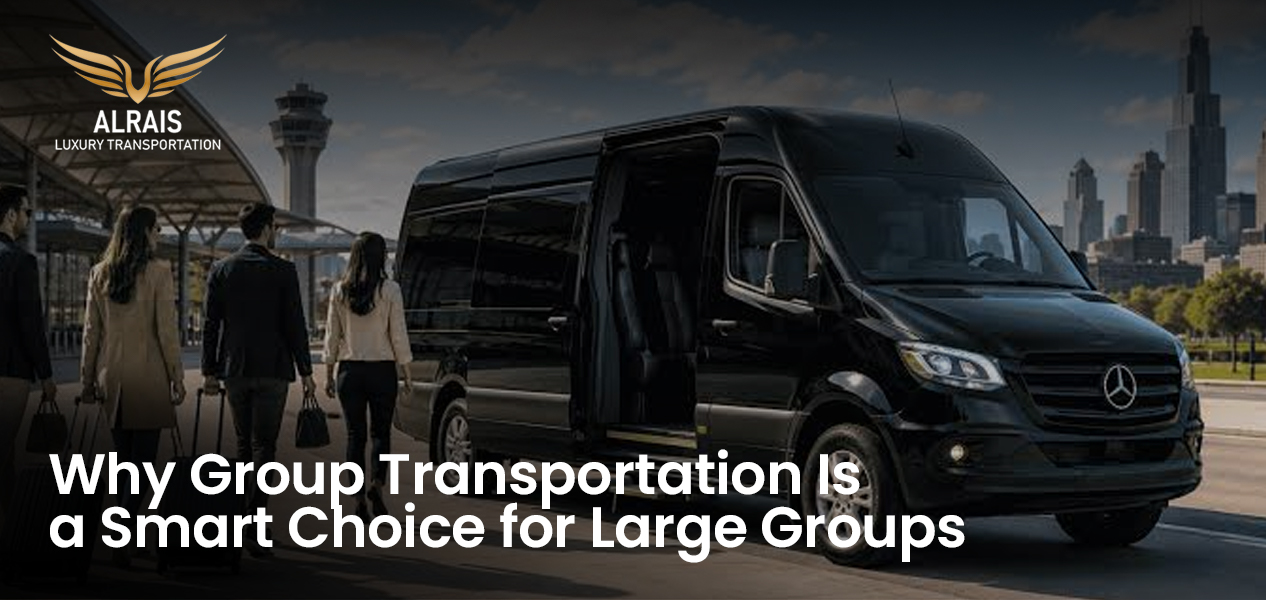
Traveling with a large group can become difficult very quickly. Separate cars can cause delays, missed turns, and scattered arrivals. Parking several vehicles can also add more work for organizers. Group transportation gives everyone a more organized way to travel together. It connects people, timing, vehicles, and destinations under one clear plan.
The right setup can make large group travel much easier. Groups can reduce separate rides and keep arrival times coordinated. Vehicle choices can also match passenger, luggage, and trip needs. This guide explains the main benefits, options, costs, and planning steps. You will also learn how to choose transportation for different occasions.
Moving many people involves more planning than choosing a vehicle. Each traveler adds another schedule, bag, pickup, and arrival need. Group transportation brings those details into one organized travel plan. It can reduce separate rides while keeping travelers better connected. This approach works well when people share similar travel plans.
Large groups may need one vehicle or several linked vehicles. The right setup depends on passengers, luggage, routes, and distance. Event times and pickup points also affect the final choice. Good group transportation planning starts by reviewing these needs together. That process helps organizers avoid choosing vehicles based on seats alone.
Group transportation for large groups means planning shared travel together. It does not always mean renting one large charter bus. Smaller groups may travel in Sprinter vans or minibuses instead. Larger groups might need coaches, shuttles, or several vehicles.
Common group transportation options may include:
Vehicle capacity should never be the only booking factor. Ten airport travelers may carry far more bags than expected. Sports teams may also bring equipment needing added storage space. School groups can have different seating and access needs. Therefore, organizers should consider people and belongings before booking.
Trip length also changes which vehicle may work better. Short transfers usually have different needs than long group trips. Longer journeys can make seating and storage more important. Available features also vary between vehicles and transportation companies.
Separate travel creates more moving parts for group organizers. Several cars can follow different routes toward the same place. Traffic can then separate drivers and change expected arrival times. Parking also becomes another task for each separate vehicle.
Organized large group transportation reduces much of that travel split. Passengers can follow shared pickup times and planned travel routes. Fewer vehicles can also mean fewer arrivals to coordinate. These group transportation benefits become important during time-based plans.
This approach can support many types of group travel:
For example, group transportation for corporate events can connect hotels and venues. Wedding transportation can help guests follow planned ceremony departure times. Airport groups may need vehicles with enough room for luggage. Each use requires a different plan despite sharing one core idea.
The best group transportation for large groups matches the actual trip. Start with an accurate passenger count before comparing vehicle choices. Then review luggage, equipment, stops, and expected travel distance. Organizers should also check venue access for larger vehicles.
Before confirming service, review these details:
Group transportation cost should also be viewed beyond one quote. Compare the full group expense against several separate travel options. Parking, tolls, and other charges may affect final costs. Ask providers which charges are included before confirming service.
Knowing how to choose group transportation prevents avoidable planning problems. The smartest choice balances capacity, timing, route, and group needs. That foundation makes later travel decisions much easier for organizers.

Large group travel becomes harder when everyone handles transportation alone. Separate drivers must manage routes, traffic, parking, and arrival times. Group transportation brings these travel needs into one shared plan. That structure can reduce confusion before and during the group trip.
Competitor research repeatedly highlights coordination, shared costs, and group arrivals. However, the real benefit comes from reducing separate travel decisions. One organized plan gives fewer transportation details for organizers to manage. That explains many important benefits of group transportation for larger groups.
Several cars can turn one trip into many separate journeys. Drivers may choose different routes or encounter different traffic delays. Some passengers may also struggle to find the correct entrance. These issues can spread arrival times across a wider window.
Group transportation vs multiple cars changes that travel structure. One vehicle can move many passengers along the same route. Larger groups may use several vehicles under one planned schedule. Both methods reduce the number of independent trips needing coordination.
Key advantages can include:
This structure becomes valuable for events with fixed start times. Weddings, conferences, tours, and games depend on planned arrivals. Group transportation for event travel can help guests follow shared timing.
Traveling separately can divide people before reaching their destination. One driver may arrive early while another gets delayed. Group members then spend time checking locations and sending updates. Shared transportation can keep more travelers on the same schedule.
This is how group transportation keeps groups together in practice. The benefit is not simply sitting inside one vehicle. It comes from sharing departure times, routes, and arrival plans.
That connection also supports the social side of group trips. Families can talk while traveling toward a reunion or outing. Teams can discuss plans before reaching their next location. Tour groups can move between stops without regrouping after each ride.
Cost is another reason people consider organized group travel. However, group transportation cost savings should never be assumed automatically. The right comparison looks at the whole transportation plan.
Several individual vehicles may involve:
A shared vehicle combines many passengers into fewer transportation bookings. This can lower the effective cost per traveler in some cases. Group size, route, vehicle type, and trip length affect value.
Organizers should compare total costs before choosing either approach. That gives a fairer picture than comparing vehicle prices alone.
Driving separately gives each vehicle another set of travel duties. Someone must follow directions, watch traffic, and find parking afterward. With hired group service, those tasks move to assigned drivers.
This is one reason why groups choose professional transportation. Passengers can spend travel time talking, resting, or preparing. Corporate groups may review plans before reaching an event location. Families can focus more attention on traveling together.
Driver requirements and service standards vary between transportation providers. Groups should review company credentials and service terms before booking.
The strongest group transportation advantages come from coordinated movement. Passengers, vehicles, routes, and timing follow one organized travel plan. This can make changes easier to share with everyone involved.
A good transportation plan still needs accurate information from organizers. Passenger counts, luggage, pickup points, and timing remain important. Clear communication also helps passengers know where and when to meet.
These professional group transportation benefits become stronger as groups grow. More passengers usually create more travel details needing careful coordination. Group transportation helps bring those separate details under one plan.

Moving a large group requires more than enough passenger seats. Every added traveler brings timing, pickup, luggage, and route needs. Group transportation for large groups brings these details into one plan. This structure helps organizers manage people without tracking many separate rides.
Competitor research shows that large groups face one major challenge: coordination. However, successful travel also depends on headcounts and clear instructions. The group must know when, where, and how travel begins. Good large group travel coordination starts before anyone enters the vehicle.
A large group can quickly split when people travel separately. Different routes, traffic delays, and parking can divide arrival times. One shared plan keeps passengers connected through common travel details. This explains how group transportation keeps groups together during trips.
Shared travel can support many types of groups, including:
Each group has different needs despite sharing similar travel goals. Sports teams may need added space for bags and gear. School groups may require specific seating or travel rules. Conference groups may need timed hotel and venue transfers.
Therefore, professional transportation for large groups should match each group. Passenger type matters alongside the final number of travelers.
Passenger count affects nearly every large group travel decision. It helps determine vehicle size and the number needed. A changing count can also affect seating and total cost. Organizers should confirm expected attendance as early as possible.
Luggage and equipment should be counted separately from passengers. A vehicle with enough seats may lack enough storage space. This issue matters for airport groups and longer vacations. Sports teams may also require space for large equipment bags.
Useful details to collect include:
These details make group travel transportation easier to plan correctly. They also help providers suggest suitable vehicle choices.
Large groups need simple instructions that everyone can understand quickly. Passengers should know the meeting point before departure time arrives. They should also know who handles transportation questions that day.
Choosing one group contact can reduce mixed messages between travelers. That person can share updates and confirm the final headcount. For bigger groups, several leaders may manage separate passenger sections.
Pickup instructions should clearly cover:
These simple details can prevent delays before the trip starts. They are especially useful for group transportation for large group events.
Fifty passengers cannot board as quickly as five travelers. Bags, equipment, and passenger checks can add extra boarding time. Some travelers may also need more time entering vehicles. Large groups should account for this before setting departure times.
Central meeting points can simplify boarding for some group trips. They may reduce the need for many separate pickup locations. However, several pickup points may work better for spread-out groups. The route should determine which approach makes more sense.
The smartest travel plan does not force every group together constantly. Large conferences may need several shuttle times between nearby venues. Airport groups may arrive in different flight windows during one day. Large wedding parties might need separate guest and family vehicles.
This flexibility makes large group transportation more than one shared bus. It can involve several vehicles following one coordinated travel plan. The goal is keeping movement organized while meeting different passenger needs.
Whether planning family reunions, tours, retreats, or team travel, coordination matters most. Good planning connects passengers, vehicles, timing, luggage, and destinations. That connection makes large group travel easier from departure through arrival.

Choosing the largest vehicle does not always solve group travel needs. The right choice depends on much more than passenger count. Group transportation should match people, bags, distance, and route needs. Venue access and trip type can also affect vehicle choice.
Competitor research shows many articles focus mainly on charter buses. However, large groups can use several types of vehicles instead. Your options may include Sprinters, minibuses, shuttles, or motorcoaches. Understanding these differences helps build a better group vehicle guide.
Passenger count provides the first clue when choosing a vehicle. However, available seats should never make the final decision alone. Luggage can reduce usable space during airport or vacation travel. Sports equipment can create similar storage needs for team trips.
Consider these details before selecting any large group vehicle:
Vehicle layouts and capacities can vary between transportation companies. Always confirm actual seating and storage before making reservations.
The charter bus vs shuttle vs Sprinter van choice depends on use. Each vehicle serves a different type of group travel plan.
A Sprinter van for group transportation can suit smaller groups. It may work for airport trips or smaller business teams. Its compact size can also help on tighter city routes.
A minibus for group transportation supports many medium-sized travel groups. It can work for hotel transfers, tours, and company outings. Minibuses may also suit routes needing several planned passenger movements.
A shuttle works well when passengers move between fixed locations. Hotels, venues, airports, and parking areas are common examples. Shuttle service can also run several trips during larger events.
A charter bus for group transportation suits larger passenger groups. Longer trips may also make larger coaches more practical. Available storage and onboard features depend on the actual vehicle.
Imagine 25 conference guests traveling from an airport to hotels. Their bags may require more room than their seats need. Another group of 25 attends a local event without luggage. Those groups have equal headcounts but different vehicle needs.
This example shows why group vehicle sizes need context. Passenger capacity answers only one part of the booking question. Storage, route, distance, and trip purpose complete the picture.
Large vehicles can also face access limits at certain locations. Narrow roads or restricted loading areas may affect coach access. A smaller shuttle could work better in those situations. Organizers should confirm venue loading rules before choosing larger vehicles.
Some events require several group transportation fleet options to work together. A conference might use coaches for its main attendee group. Smaller vans could handle speakers or smaller arrival groups separately.
Weddings can follow a similar model with different travel needs. A charter bus might move guests between major wedding locations. Smaller vehicles may serve family members with different travel schedules.
This mixed approach can help when a single large vehicle imposes limits. It also supports groups arriving at different times or places.
Short transfers and long road trips require different comfort levels. A brief hotel shuttle may need fewer onboard features. Longer trips can make seating and storage more important.
Some vehicles may offer features such as:
These features are not standard across all vehicle types. Groups should confirm required features directly before booking.
The best vehicle for large-group travel fits the entire journey. Seats matter, but route and storage matter just as much. Choosing from the right group vehicle options prevents capacity problems later.

Large events can bring hundreds of people toward one location. Without clear planning, arrivals can become scattered before activities begin. Group transportation for events creates a shared plan for movement. It connects guests, vehicles, routes, venues, and event schedules.
Competitor research shows that vehicle booking alone solves little. Strong event transportation planning begins with the full guest journey. Organizers should consider where guests start and when they arrive. They also need clear plans for departures after events finish.
Start by mapping each major movement during the event day. Guests may travel between airports, hotels, venues, and dinners. Conferences may also include trade shows or evening programs afterward. Each movement creates another part of the transportation schedule.
Group transportation for large events should account for these details:
Travel time alone should not determine each departure time. Larger groups also need time for boarding and headcounts. Luggage can add more time during airport-related event transfers. Traffic near busy venues may require an added schedule buffer.
This planning helps vehicles arrive before important event start times. It also gives organizers more control over guest movement.
Not every event needs one vehicle carrying everyone together. Event size and guest locations should shape the transport model. Smaller gatherings might use one van or minibus. Larger programs may require coaches or several planned shuttles.
Group transportation for event shuttles works well between fixed locations. Vehicles can move guests between hotels and nearby event venues. Very large programs may use several planned departure windows instead. This reduces pressure on one loading area at once.
For example, consider a conference using three nearby hotels. One crowded departure could create long boarding lines each morning. Separate hotel routes can divide guests into smaller travel groups. Each route can then follow the conference arrival schedule.
That practical model shows how event transportation coordination improves movement. The right system depends on event scale and location layout.
Guests cannot follow a transportation plan they do not understand. Every pickup point should be simple to find and explain. Large venues may have several entrances and loading areas available. Organizers should confirm which areas allow their chosen vehicles.
Guest instructions can include:
One transport contact can also handle changes during the event. That person can communicate with drivers and event staff directly. Guests then receive updates through one clear communication path.
These steps matter for weddings, festivals, galas, and fundraisers. They become even more important during conferences and trade shows.
Large events rarely follow every planned minute without changes. Traffic can slow arrivals, while programs may finish later. Guests may also miss their assigned departure or pickup window. Strong group transportation for event logistics should consider these situations early.
Organizers can plan backup time between important event movements. They can also confirm how providers handle schedule changes. For larger programs, another departure window may help delayed guests. However, service options depend on fleet availability and booking terms.
Different events create different passenger movement patterns and timing needs. Group transportation for concerts may focus on crowded venue arrivals. Wedding transportation may connect hotels, ceremonies, and reception locations. Corporate events can require airport, hotel, and conference transfers.
Sports events may involve fans, teams, or equipment-heavy travel groups. Festivals can require repeated movement from remote parking locations. After-parties may need later departures than the main event schedule.
That is why event planners choose group transportation strategically. The real value comes from connecting transportation with event operations. When both plans work together, large guest movements become easier to manage.

Corporate events often involve people arriving from several different places. Employees, speakers, clients, and executives may follow different schedules. Group transportation for corporate events brings these movements into one plan. It can connect airports, hotels, offices, and event venues efficiently.
Competitor research shows corporate transport affects more than guest movement. Arrival timing can influence meetings, sessions, meals, and event flow. A late group may delay activities planned for many attendees. Strong corporate group transportation helps connect travel with the business schedule.
Business conferences usually follow planned sessions and fixed starting times. Attendees may travel from several hotels each morning. Separate rides can create wider differences between guest arrival times. Group transportation for conferences can create shared departure windows instead.
A conference transportation plan might connect:
Transportation planners should work backward from each required arrival time. Driving time forms only one part of that calculation. Boarding, traffic, loading zones, and walking time also matter.
For group transportation for meetings, smaller vehicles may work better. Board members or client teams may require different travel schedules. Vehicle choice should follow each group’s size and timing needs.
A corporate event rarely has one identical passenger group. Executives may arrive separately from employees or conference guests. Speakers might also follow different airport and hotel schedules. One vehicle type cannot always serve these groups efficiently.
A mixed transport plan can solve this issue more effectively. Coaches may move larger attendee groups between major locations. Sprinters can serve smaller teams with separate travel schedules. Sedans or SUVs may fit certain executive transportation needs.
This approach makes group transportation for executive travel more targeted. It also prevents larger vehicles from serving very small groups unnecessarily.
Some business events continue for several days or locations. Corporate retreats may include hotels, meetings, meals, and activities. Training programs can also require daily employee movement between locations. Group transportation for corporate shuttles can connect these repeated routes.
Consider a three-day company conference with two attendee hotels. Morning shuttles can move groups toward the main conference venue. Later service might connect guests with dinner or networking events. Return windows can then bring attendees back to their hotels.
This example shows why transport should follow the event agenda. Vehicle movement becomes part of the wider corporate event plan.
Several independent rides can create many records for businesses. Teams may need to manage bookings, receipts, and travel updates. Organized business group transportation services can reduce that fragmented process.
One coordinated booking may make these tasks easier:
However, billing systems and account options differ between providers. Companies should confirm invoice and payment terms before booking service.
One assigned transportation contact can also help during larger events. Event teams then have a clear person managing transport updates. This can reduce conflicting instructions when schedules change unexpectedly.
Corporate hospitality begins before guests enter the meeting room. Confusing pickup instructions can create a poor first experience. Clear travel details help attendees understand where they should go. Planned arrivals can also reduce uncertainty at unfamiliar event locations.
This role of group transportation in corporate events is important. Transportation connects separate parts of the business program. Conferences, retreats, training days, and client events need different setups.
Companies should plan routes around the actual event agenda first. Then they can match vehicles with passengers and travel needs. That approach makes group transportation for business events more useful operationally.
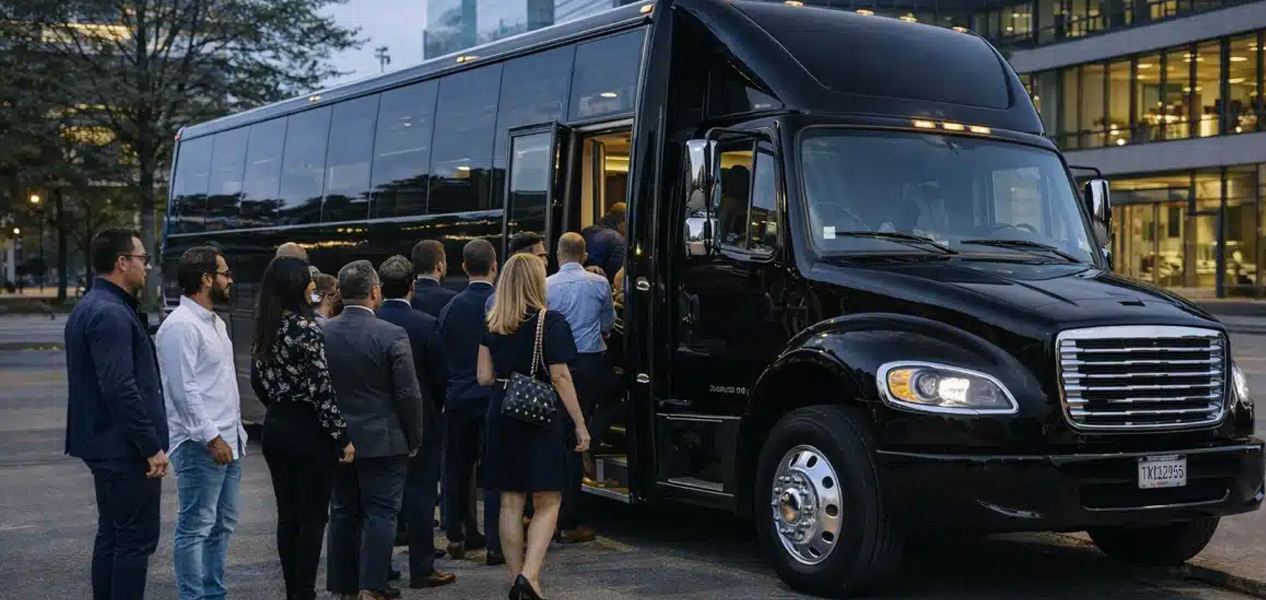
Wedding transportation involves more than moving guests toward one venue. A wedding day may include hotels, ceremonies, photos, and receptions. Group transportation for weddings connects these locations through one planned system. It can also help guests follow important wedding times together.
Competitor research shows weddings create a unique coordination challenge. Guests may not know local roads, parking, or venue entrances. Some may also arrive from airports before the wedding weekend. Good wedding guest transportation reduces these separate travel decisions early.
Start with the wedding schedule rather than the vehicle list. Identify each location guests must reach during planned wedding activities. Then note which passenger groups need transportation between those locations.
A wedding transportation map may include:
This approach makes planning group transportation for a wedding clearer. Each route receives its own passenger count and timing needs. Planners can then select vehicles based on each route.
The bridal party may follow a different schedule from guests. Family members may also need earlier transportation toward the ceremony. Therefore, one travel schedule may not fit everyone involved.
Wedding ceremonies usually cannot wait for scattered guest arrivals. Separate cars may reach the venue at different times. Guests may also spend time finding parking or entrances. Group transportation for a wedding shuttle can reduce these issues.
Consider a wedding with guests staying at two nearby hotels. Separate shuttle departures can collect guests from each hotel location. Both routes can target arrival before the ceremony begins. Return trips may then follow planned windows after the reception.
This example shows how group transportation keeps wedding guests on schedule. The value comes from planning departure and arrival windows together.
Organizers should still include enough time for boarding and traffic. Older guests or families may also need added boarding time.
The best group transportation for weddings depends on passenger needs. A large guest list may require minibuses or charter buses. Smaller wedding parties might travel more easily in Sprinter vans. Several vehicle types can also work within one wedding plan.
Vehicle planning should consider:
Venue access deserves special attention when using larger vehicles. Some wedding sites have narrow roads or limited loading areas. Planners should confirm vehicle access directly with the venue beforehand.
Wedding travel often begins before the actual wedding day itself. Rehearsal dinners and bridal events may involve separate locations. Bachelor and bachelorette plans can create other group travel needs. Guests may also need airport transportation after the celebration ends.
Group transportation for wedding weekend planning can connect these activities. However, not every activity requires the entire group together. Smaller vehicles may suit side events with fewer passengers.
The same planning model applies beyond weddings as well. Group transportation for celebrations can support birthdays and anniversaries. Graduation parties and family reunions may involve several locations too.
Even a strong transport plan fails when instructions remain unclear. Guests should receive pickup details before the wedding day begins. Include meeting locations, boarding times, and planned return options.
One wedding contact can manage transportation questions during the event. This person should also communicate changes with the transportation provider. That prevents several guests from sending different instructions independently.
Professional transportation for special events works best with clear planning. Routes, vehicles, guests, and timing should support one shared schedule. That structure helps wedding celebrations move between locations with fewer travel issues.
Book early when traveling with many people or large vehicles. Peak dates can also reduce vehicle options quickly. Weddings and conferences may need more planning than smaller outings. Confirm availability once your passenger count becomes reasonably clear.
Start with passenger count, luggage, equipment, and travel distance. Then consider pickup points, venue access, and required vehicle features. Seat count alone may not reflect your actual space needs. Ask the provider to confirm both seating and storage capacity.
It can offer better value when enough passengers travel together. Compare total costs instead of looking only at vehicle rates. Include parking, tolls, rentals, fuel, and separate ride charges. The better choice depends on your route and group size.
Many transportation plans can include more than one pickup location. However, extra stops can increase travel time and route complexity. Central meeting points may work better for some larger groups. Discuss all pickup locations before confirming your final travel plan.
Provide passenger counts, luggage needs, dates, times, and locations. Include planned stops and any equipment traveling with your group. Share mobility or vehicle access needs before confirming the reservation. Clear trip details help providers suggest suitable transportation options.
 Posted on Google
 Kenny Flynn
Trustindex verifies that the original source of the review is Google.
The best, plain and simple. We have used Al many times. Always on time, safe and very friendly. No way we would use anybody else. Great company!!!Posted on Google mike hooverGreat service for me and my family!Posted on Google
 Mario LopezAbsolutely amazing experience. Professional, courteous, accommodating. Does not get any better.Posted on Google
 Daniel ClayFound them randomly from an Uber ride. My family travels to Orlando 3 to 4 times a year for Universal Studios. We prefer to fly so when Al offered his private services I gave him a try. This is the 4-5th trip since meeting him and here’s our experience. I text him a few weeks before our flight and give him our flight number, he’s waiting at the bottom of the escalator to help direct us and even knows our carousel. Grabs 2-3 bags and guides us to his car. Smooth gentle efficient drive to the hotel and drop off, helping unload bags. We often travel to dinner outside of park so another quick text and he picks us up at our hotel. Drops us off at our favorite restaurant. Text him about 20-25 mins before we are ready to leave and then he’s there. Highly recommend for any of your transportation needs, my kids always ask, “is it our normal driver”. They always smile when I say yes.Posted on Google
 Ms. Michelle Maria CortezOur experience with this luxury car service company in Orlando was nothing short of exceptional, setting a new standard for customer service in our eyes. From the moment we made our reservation, the attention to detail was apparent, with our driver ( AL) taking special care to understand our family's needs, including the provision of a car seat for our son. The vehicle itself was immaculate and comfortable, offering ample space and amenities that catered to both relaxation and entertainment for our whole family. Our driver “ Al” and “ Sam” was not only professional and courteous but also displayed genuine warmth and a willingness for making us feel at ease throughout our multiple rides we had. This thoughtful approach and commitment to excellence ensured that our trip was seamless and enjoyable, leaving us with lasting memories of a truly outstanding service. Would definitely recommend for anyone who is looking for the best luxury car service company for a fantastic experience to get family and friends around town 😎🫶🏼👌🏽Posted on Google
 Ibrahim AqilGrate servicePosted on Google
 Sandra HarrisVery professional, courteous and punctual. Highly recommend this service.Posted on Google
 Tomas J. LaresAlrais luxury transportation is the most professional & excellent transportation service I have used for my personal use & business clients.Posted on Google
 GÖKHAN AKTAŞ, professional chauffeurs clean cars Highly recommended
Alrais Luxury Transportation provides airport, corporate, cruise, and private chauffeur services across Orlando. Enjoy comfortable luxury vehicles, reliable travel, and professional 24/7 support.
© 2025 | All Rights Reserved by Alrais Luxury Transportation.